Easy as 1, 2, 3
Personified display typography for children: Adventurous A, Bookish b and Creative C, each given a personality that alliterates with its name, modelled in 3D, brought into the real world with an AR filter, and 3D printed as a tactile letter box.
The characters
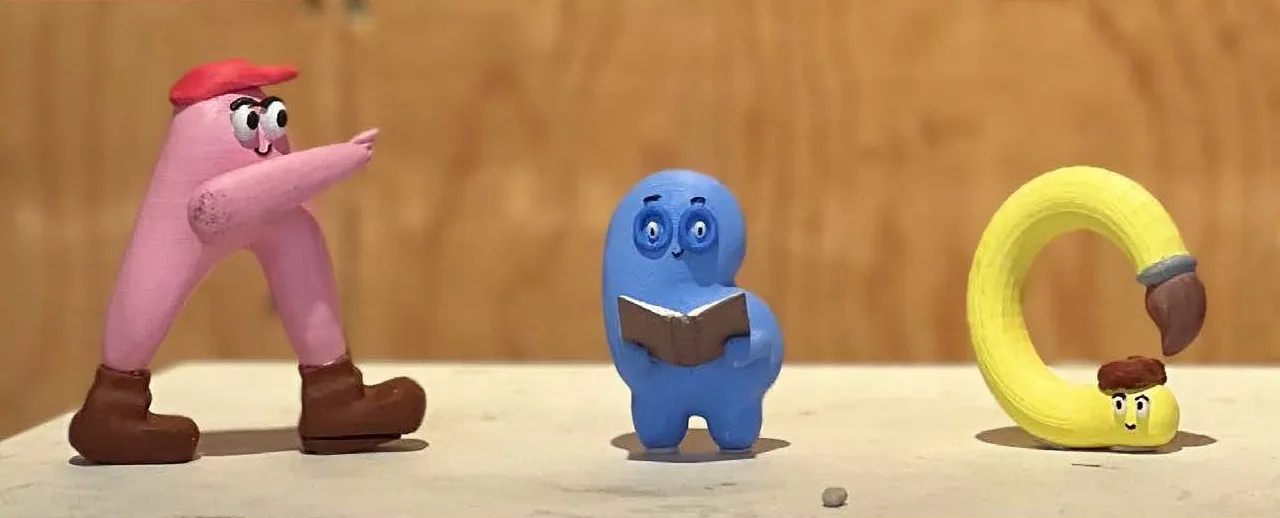
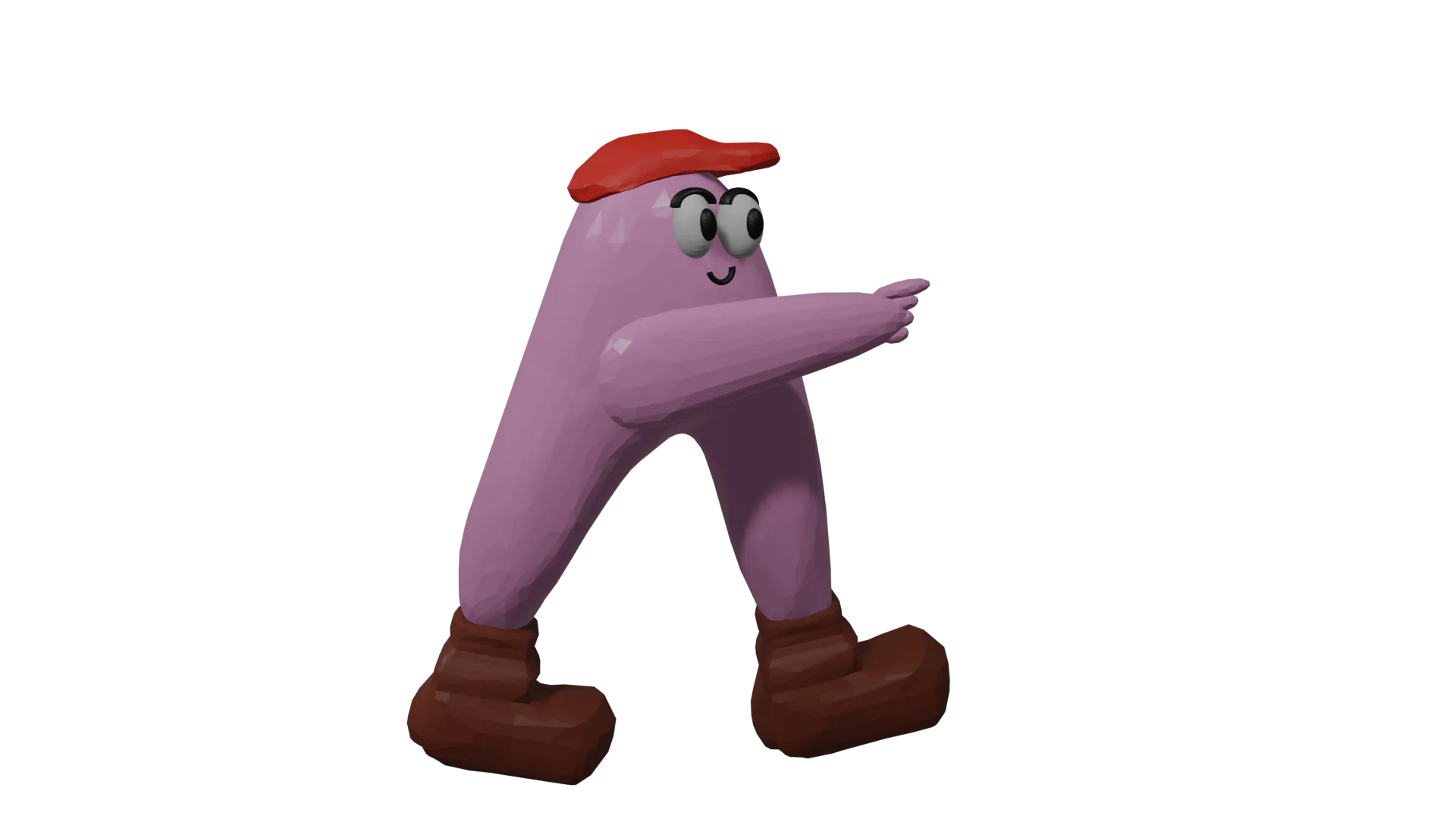
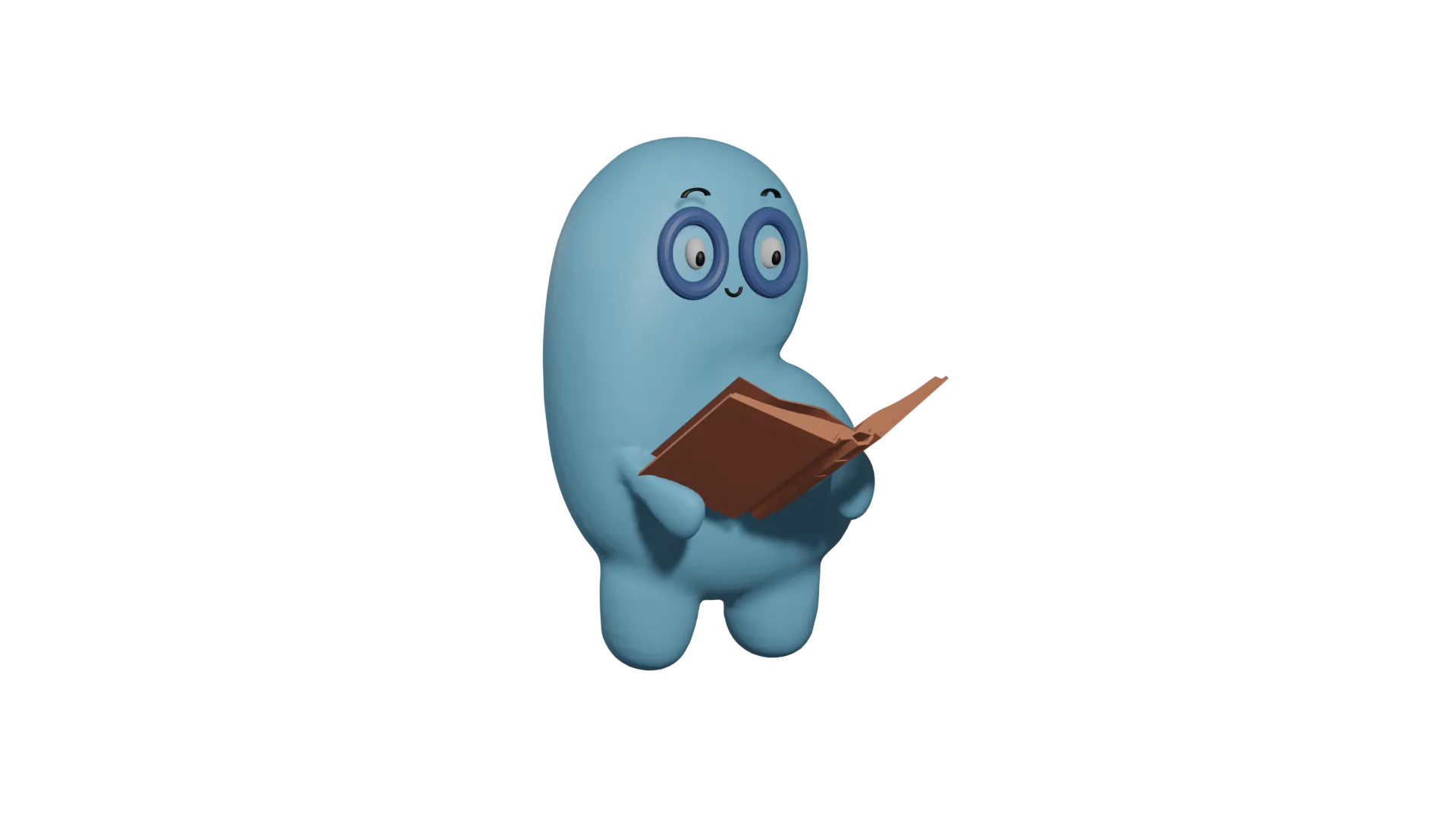
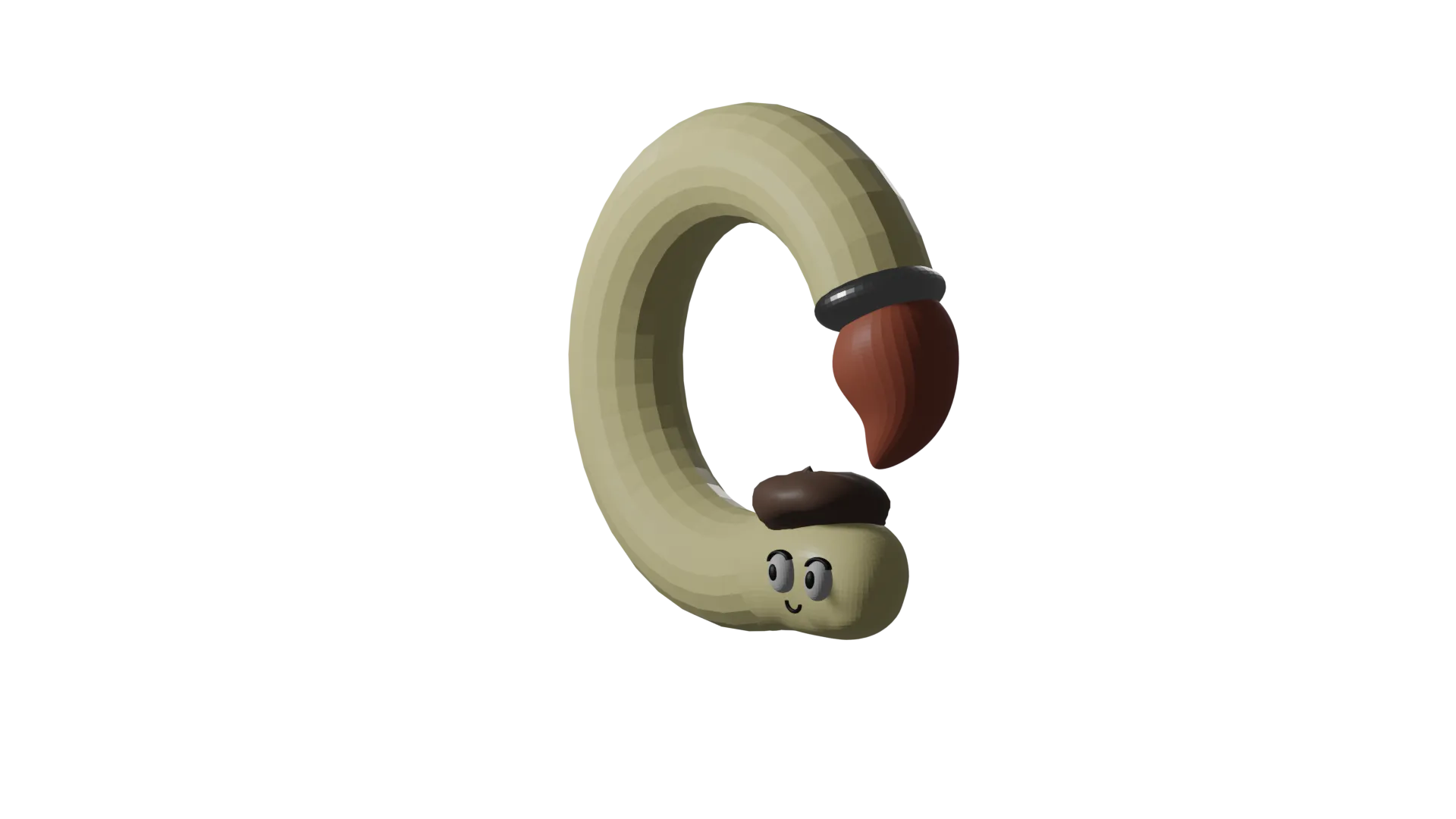
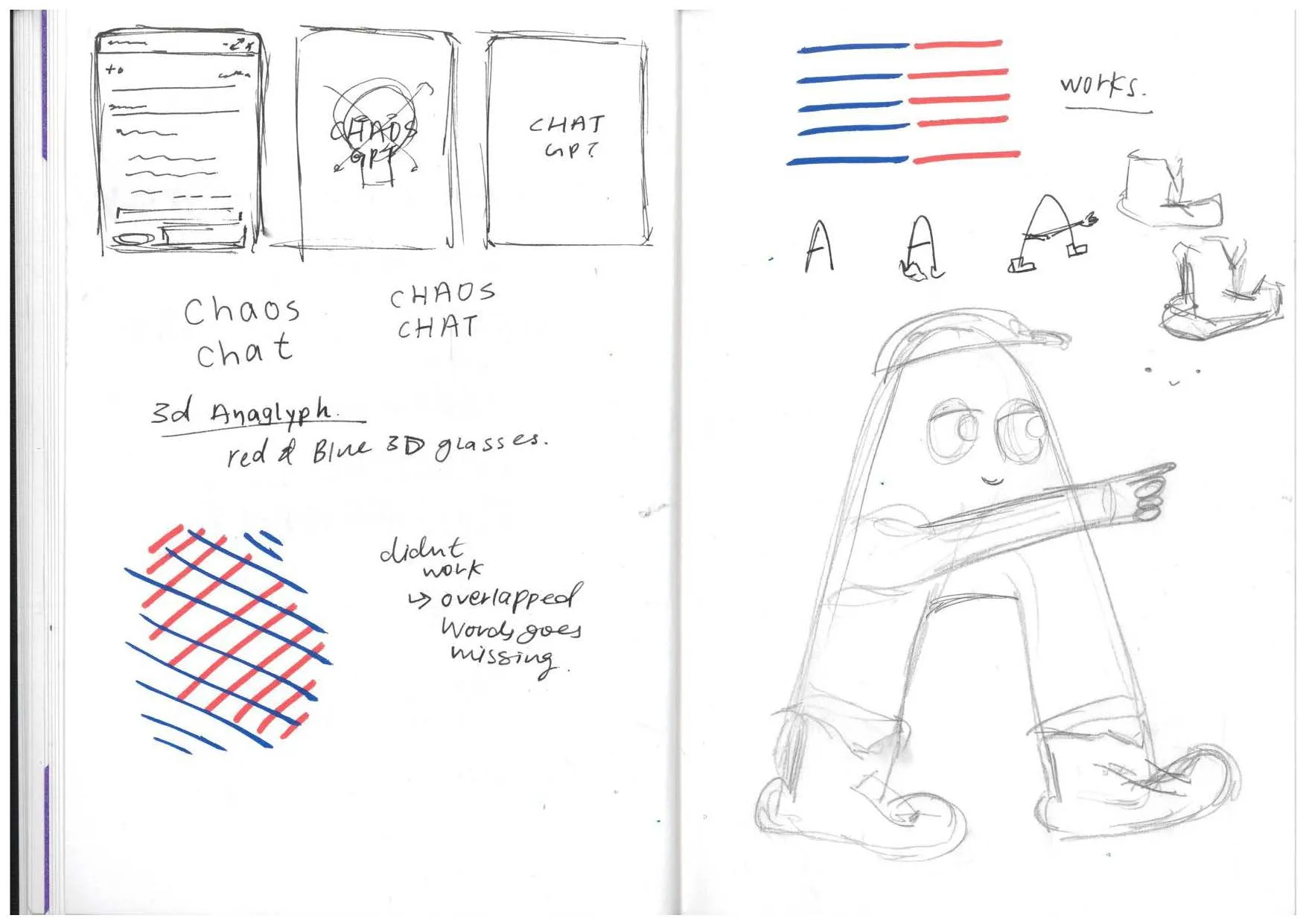
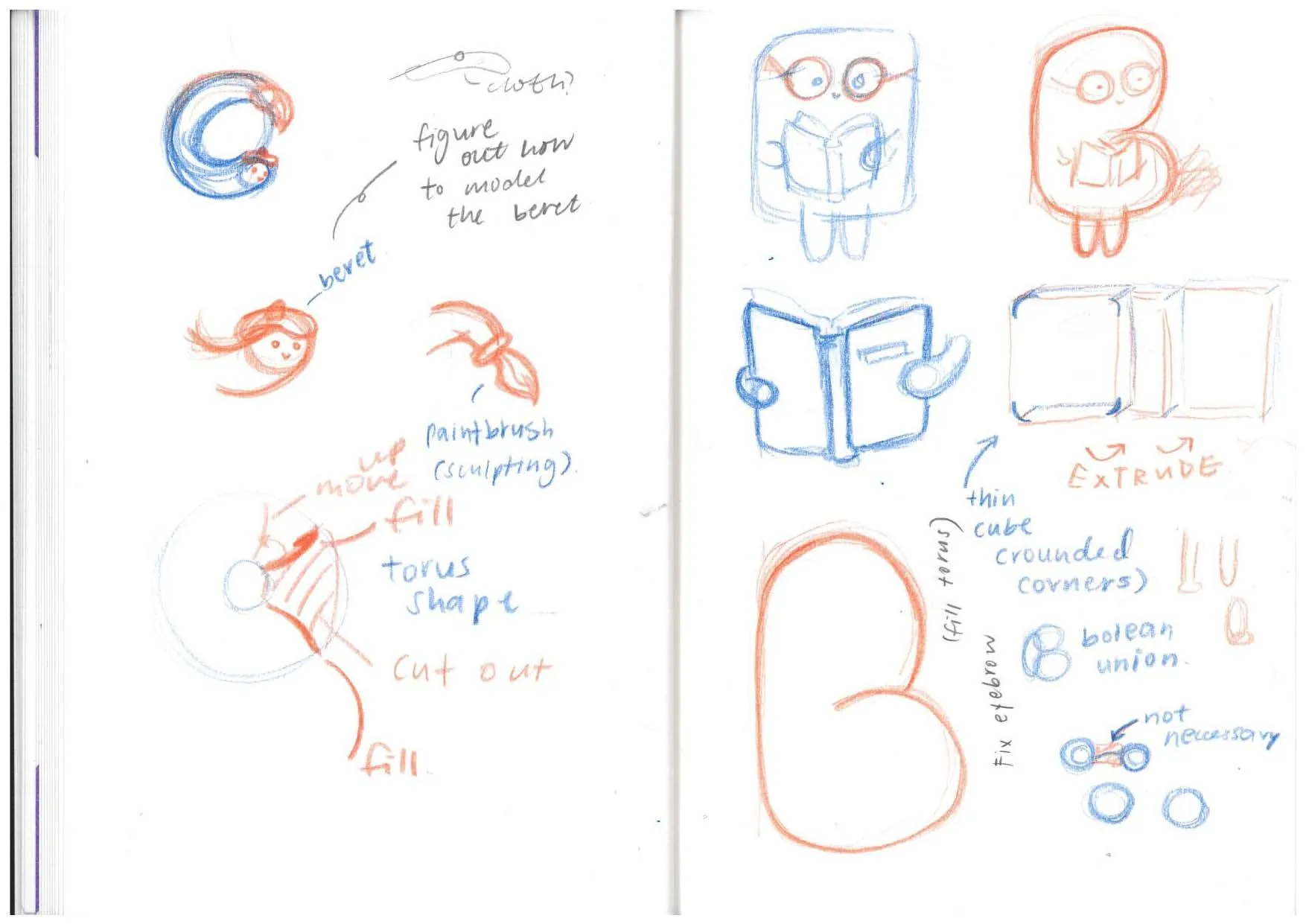
Every letter is a character, and every character’s personality starts with its own letter. Adventurous A strides out in walking boots and a red cap, pointing the way. Bookish b never looks up from a book. Creative C curls into a paintbrush, beret and all. The alliteration does the teaching: say the name, hear the sound, see the shape.
Video not found: cover/abc-loop.mp4
From the sketchbook
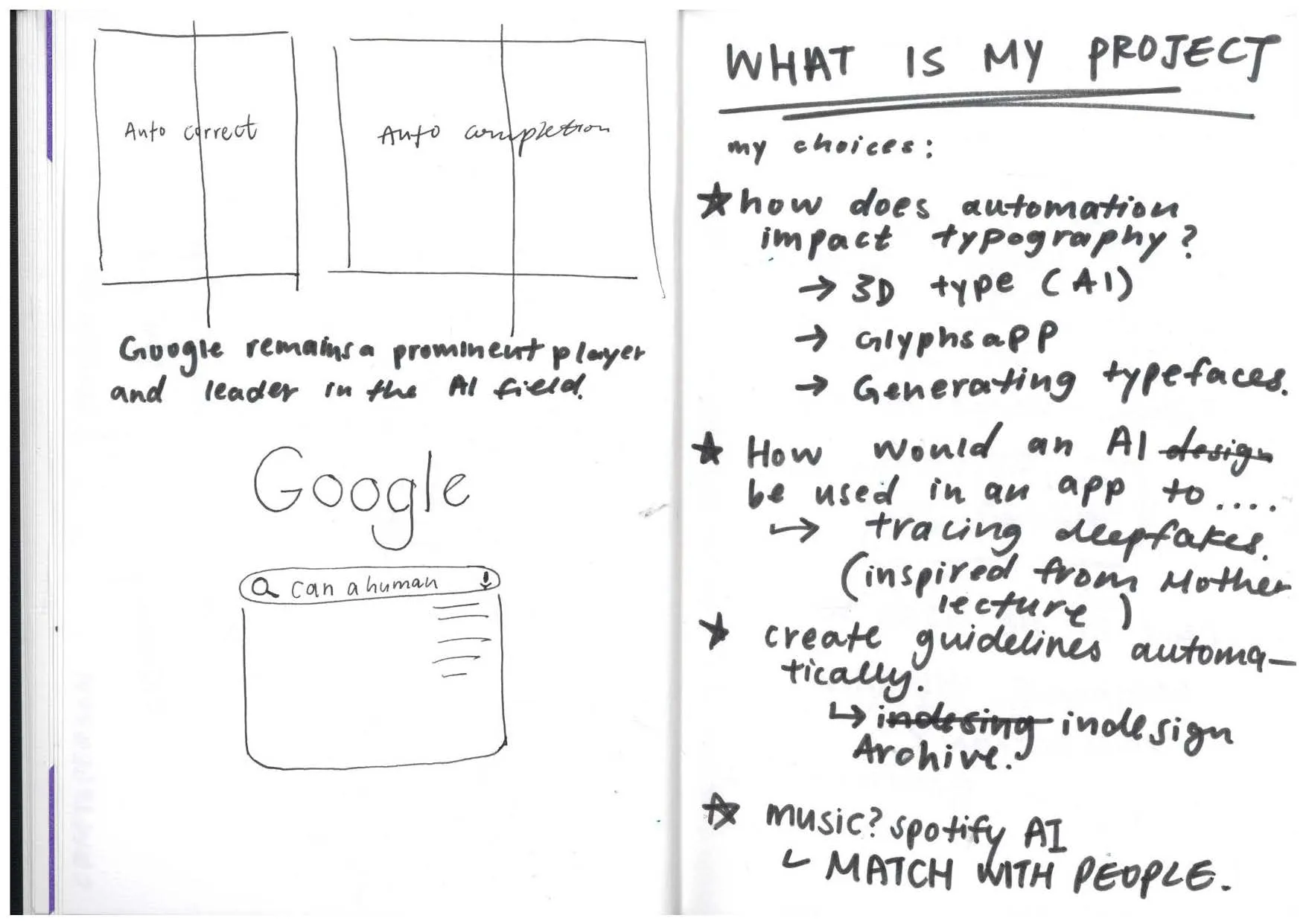
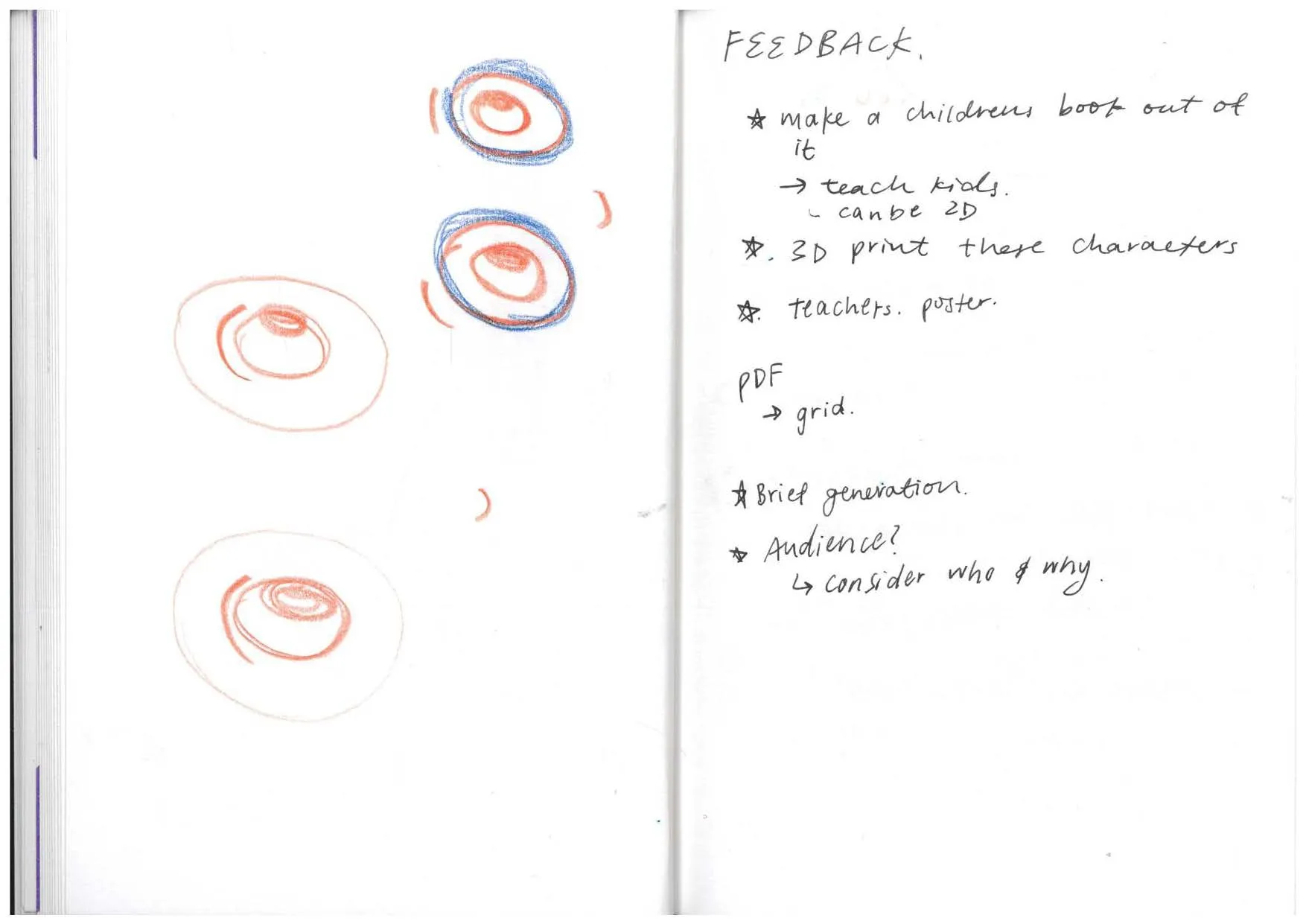
The brief, Automate, asked how automation changes design. I started from how it affects typography, from 3D type to generated typefaces, and drew letters as characters until each one had a personality. Feedback pushed the idea towards children: make it teach, and 3D print the characters so they can be held.
Modelling
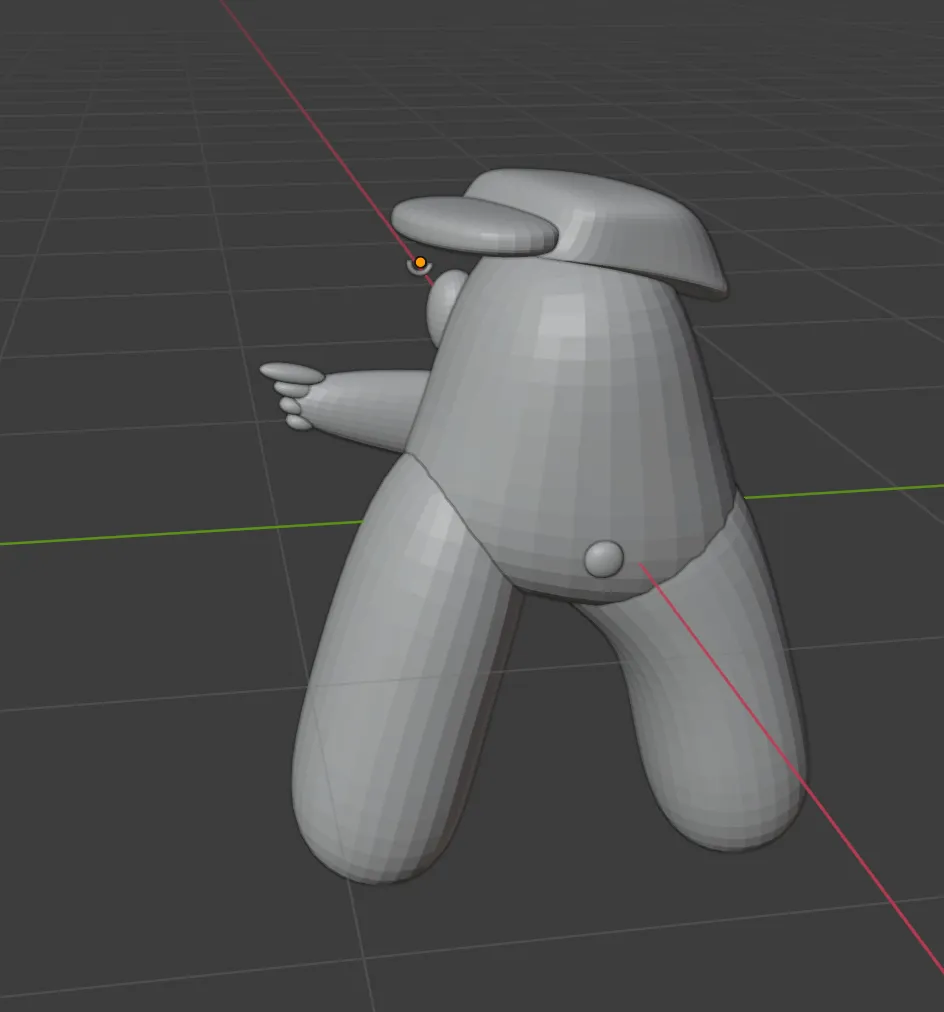
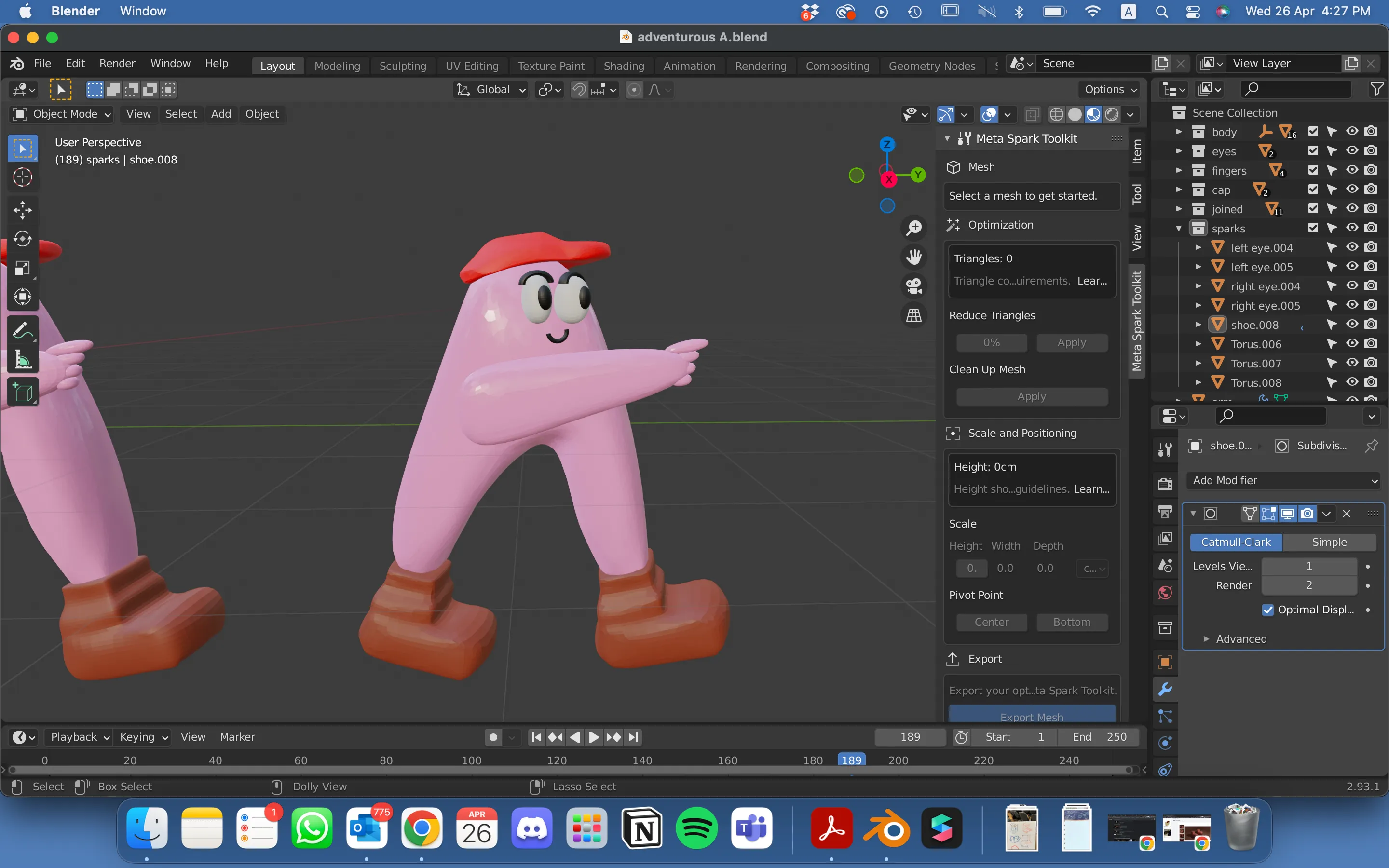
Each letter was modelled in Blender, starting from simple rounded forms and building up the details that carry the personality: the boots and cap, the glasses, the bristles. Once the shapes worked in grey, they were coloured and posed, then animated turning on the spot.
Into the real world
To get the characters off the screen, I made an AR filter in Spark AR. A short piece of patch logic makes each letter bounce gently once it lands in the camera view.
Video not found: filter/bts/a-bouncing.mp4
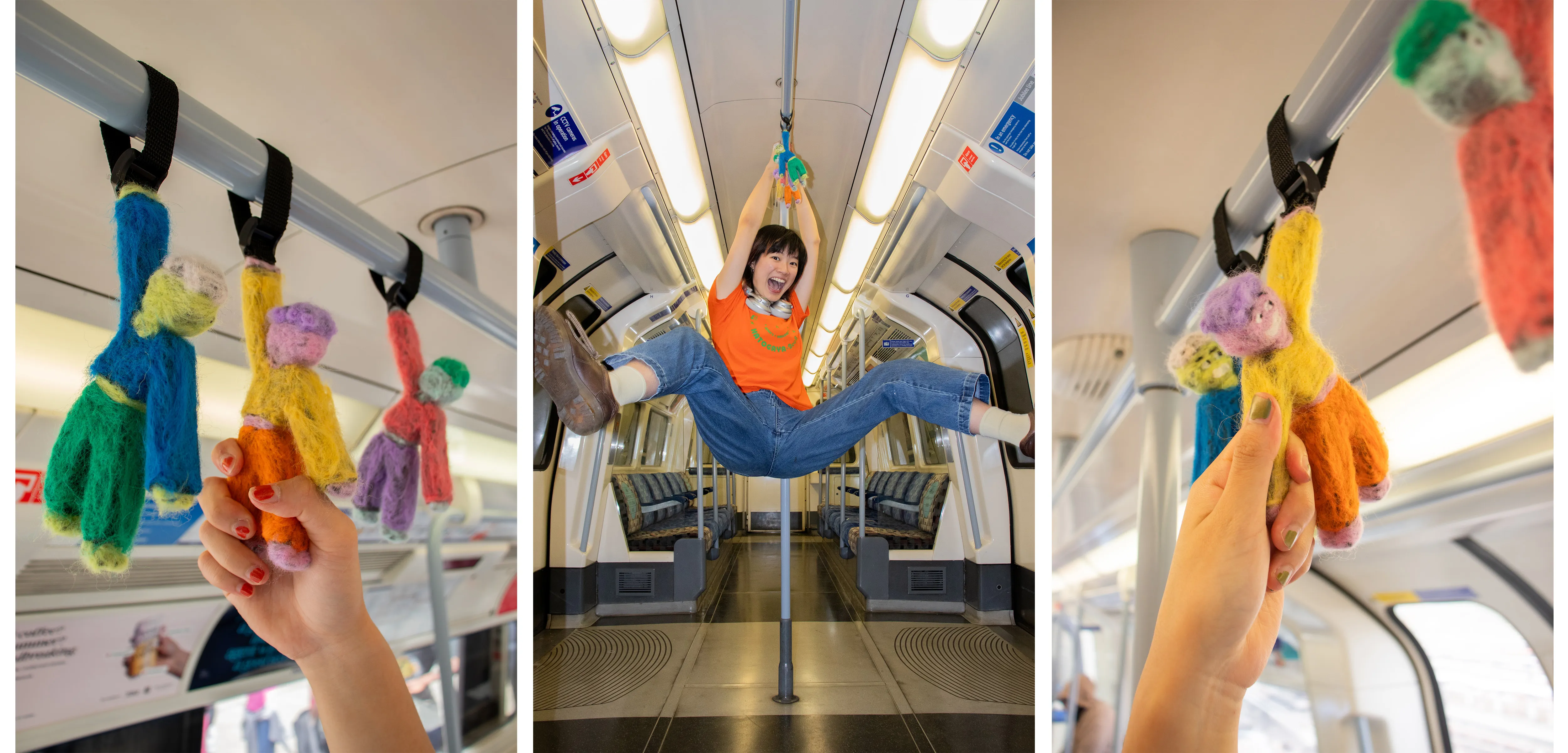
Friends tried the filter wherever they were and sent their stories back: letters sitting on train seats, climbing library shelves, peering out of cupboards.
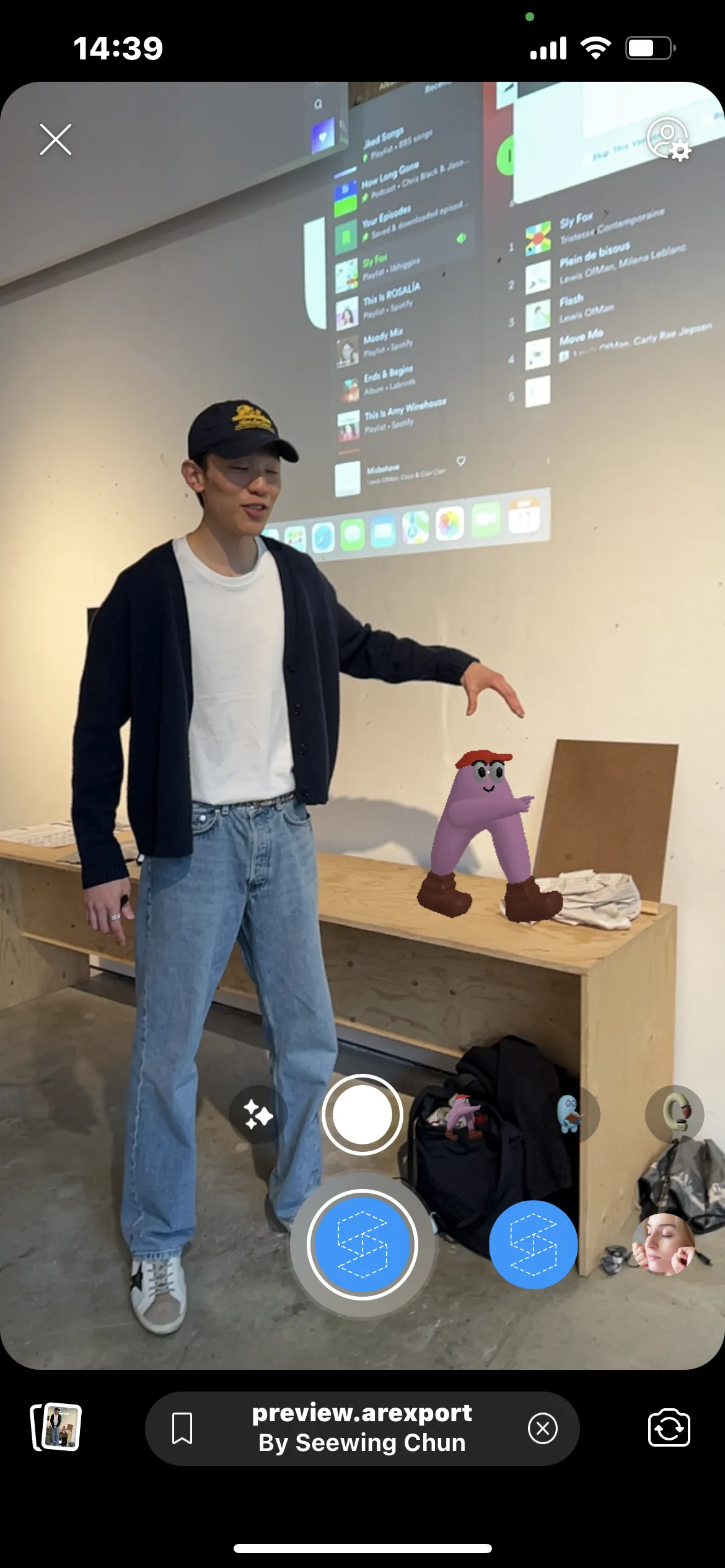
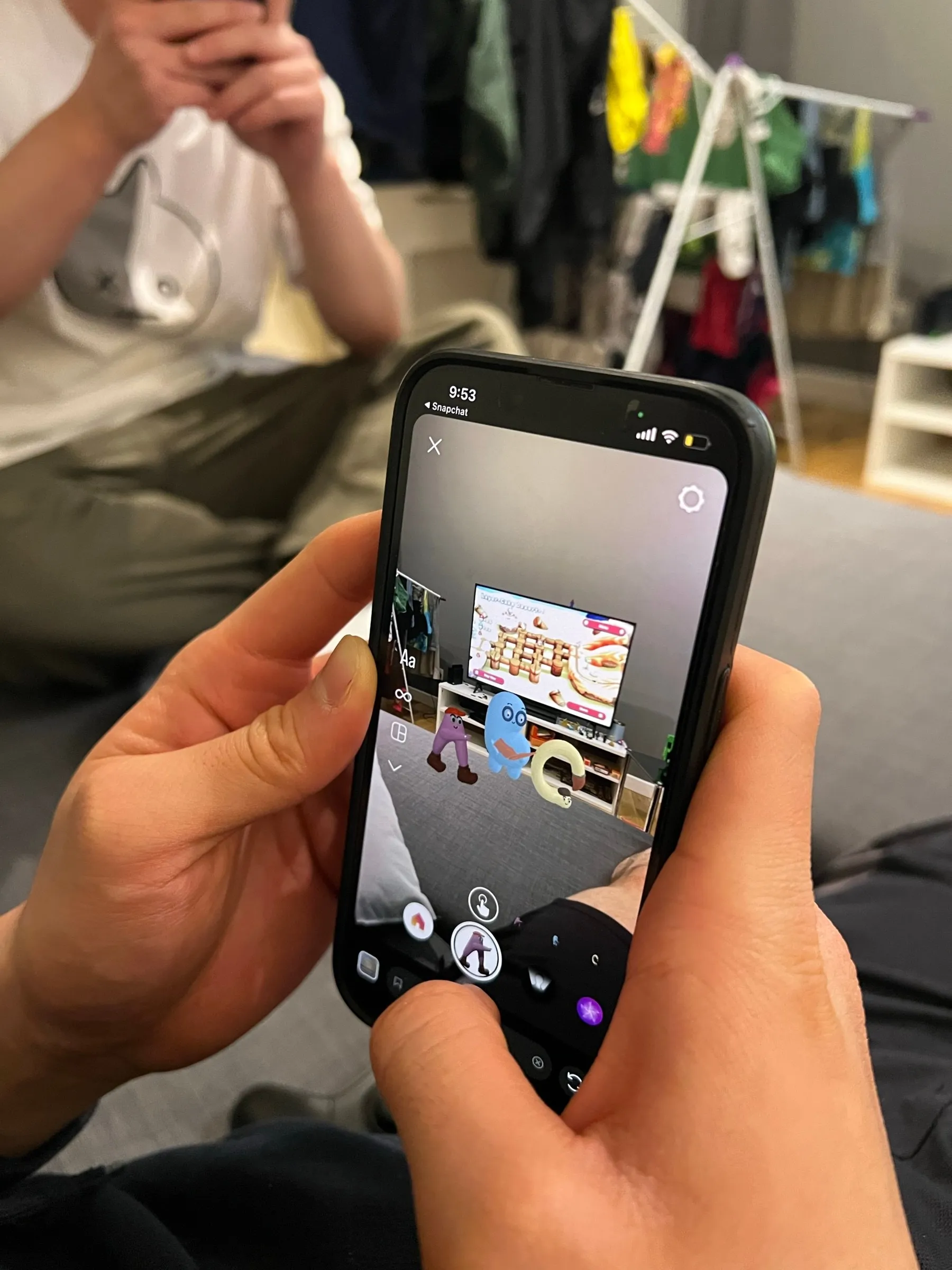
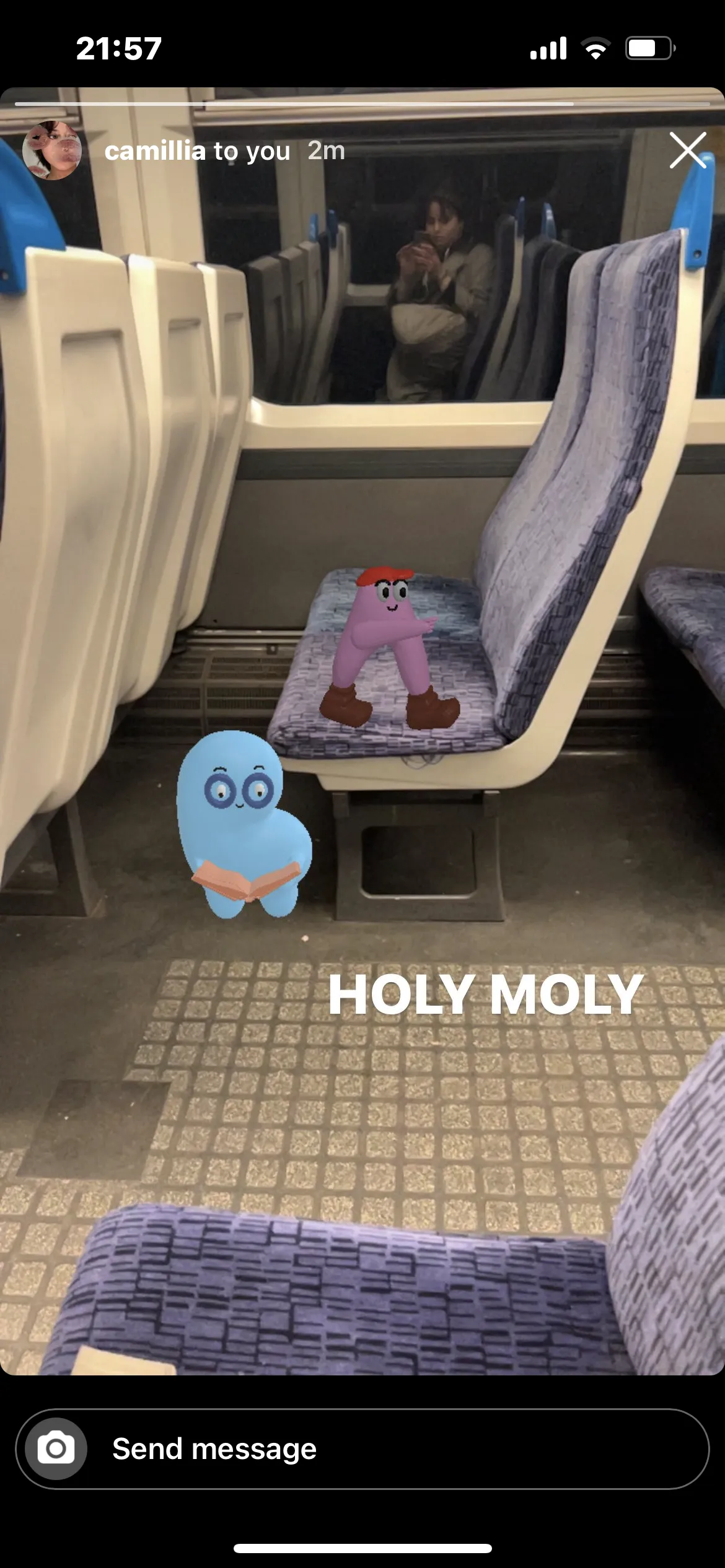
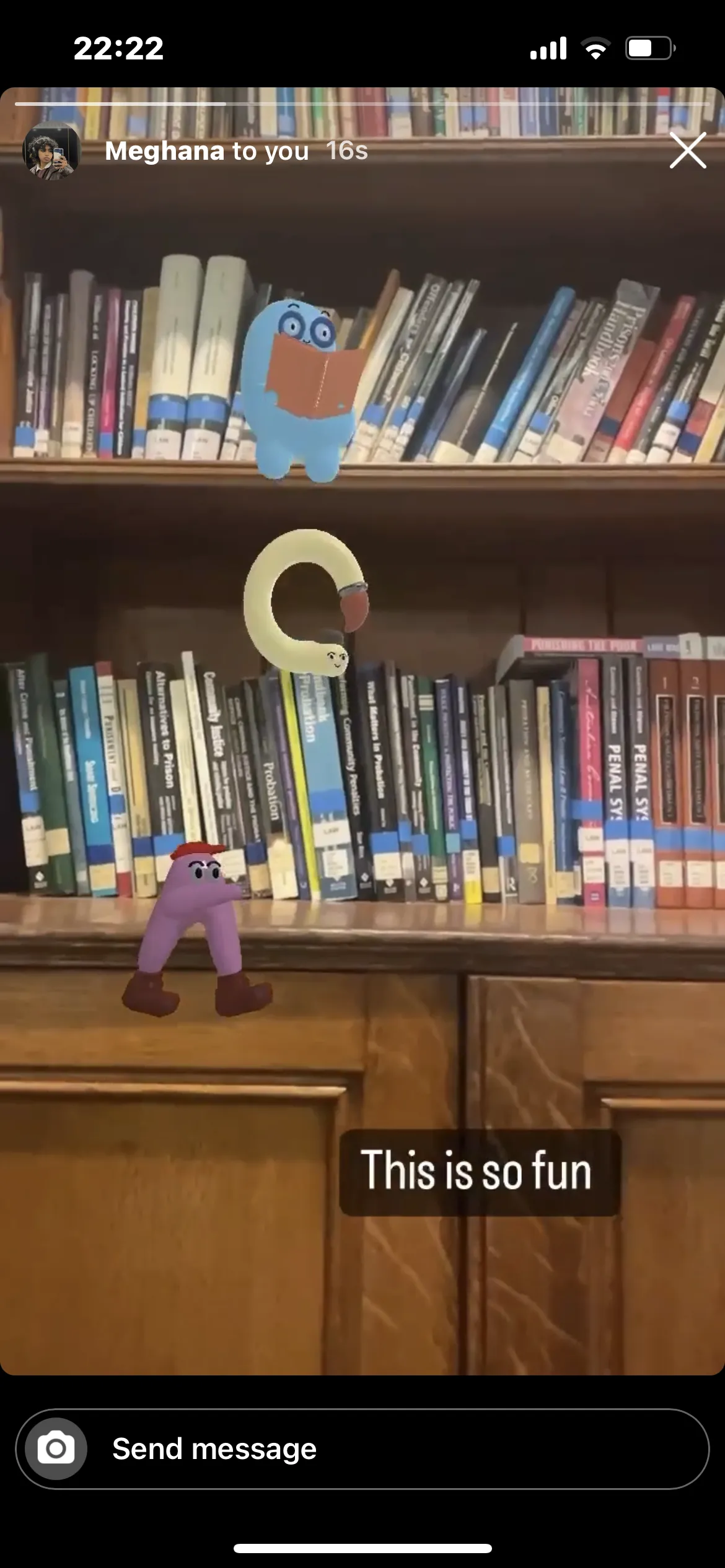
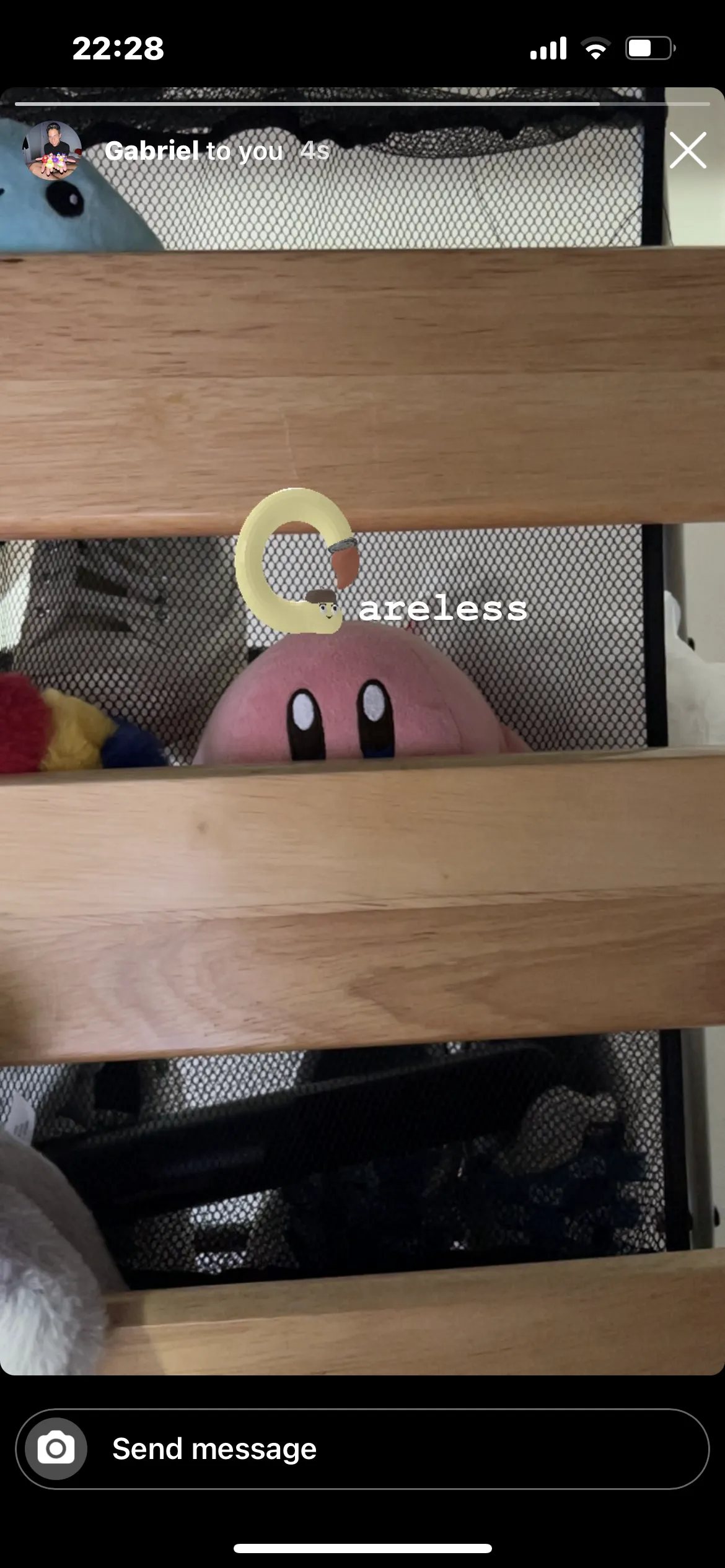
The letters out in the world through the AR filter
Printing
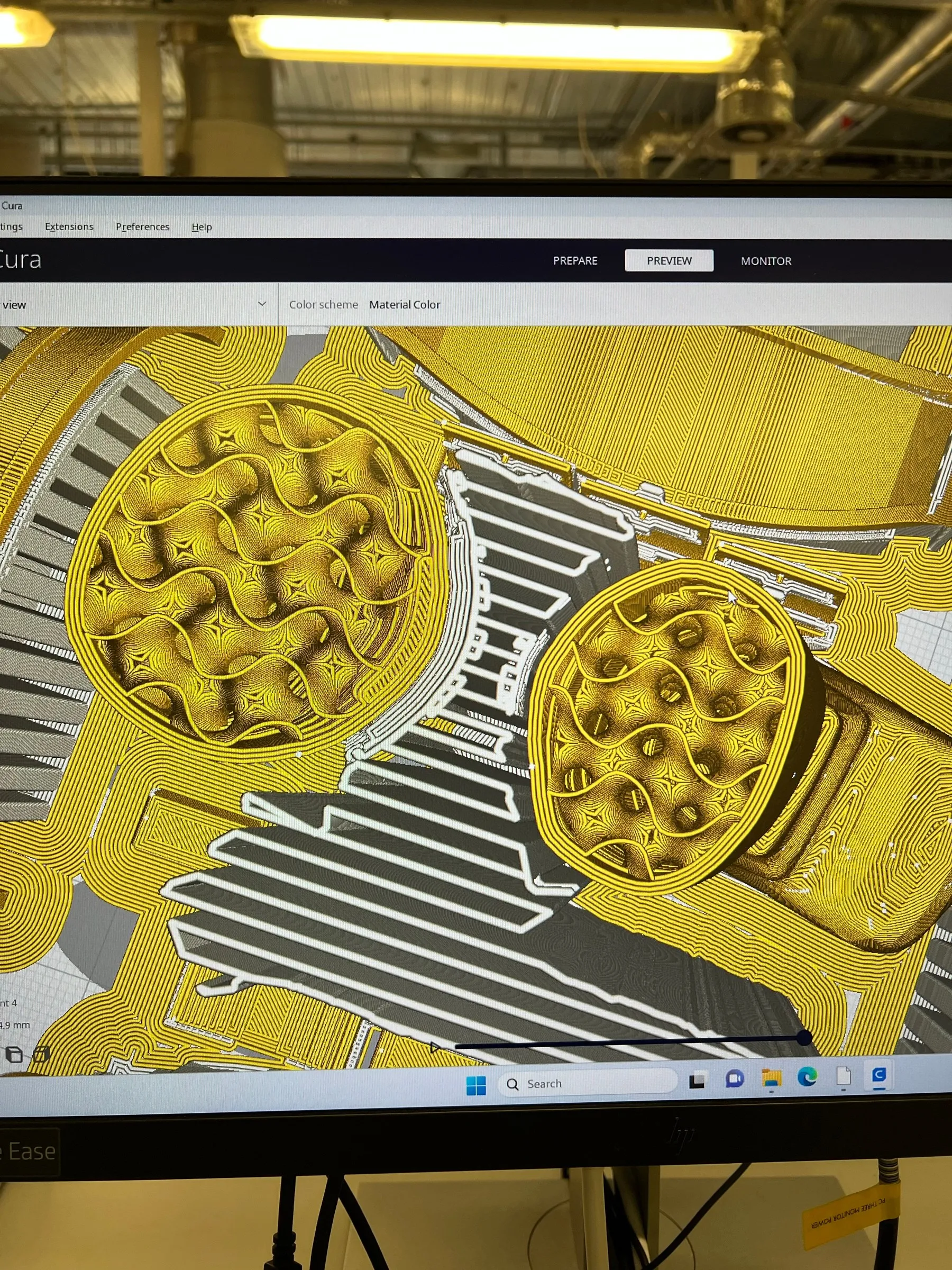
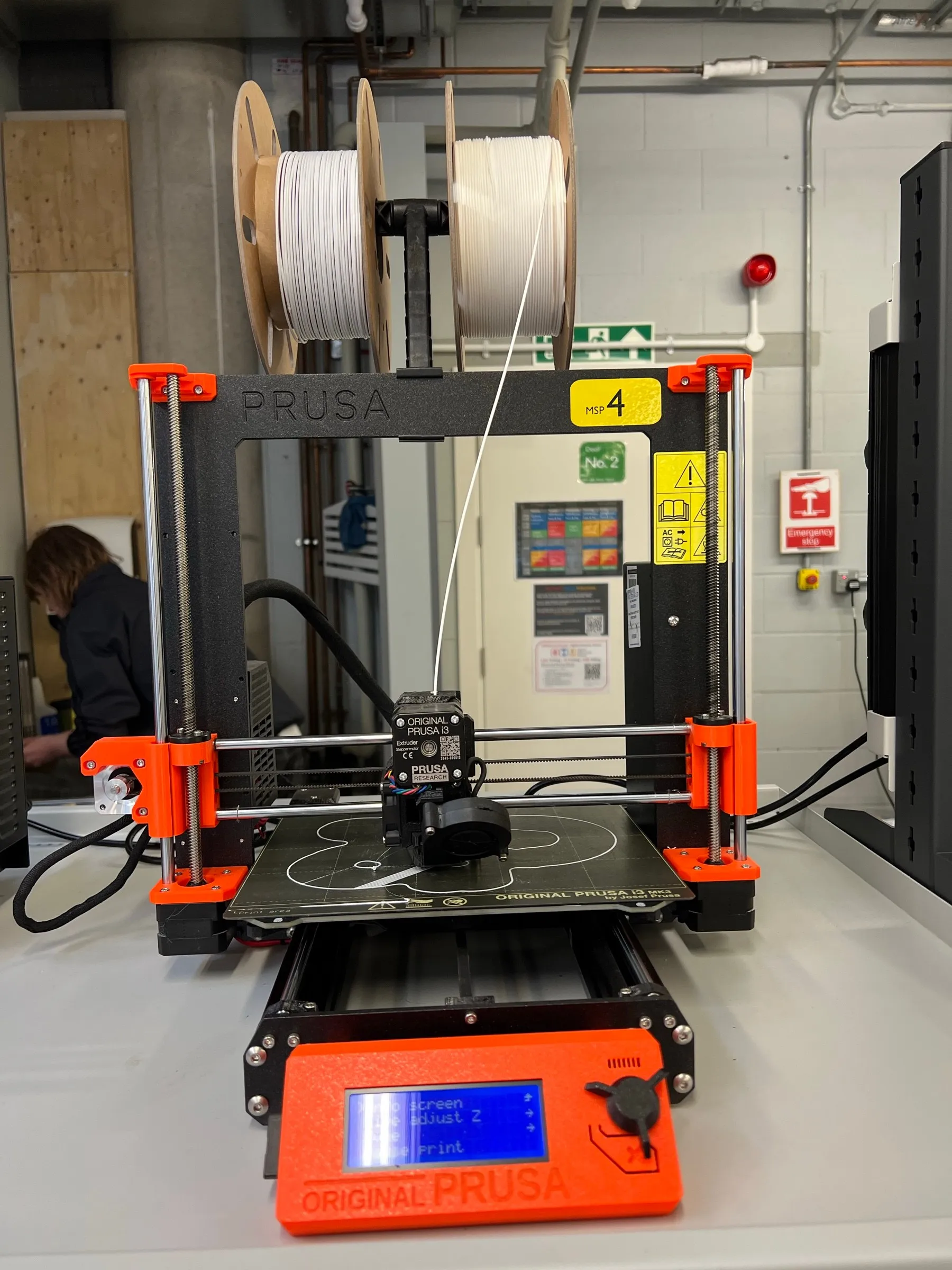
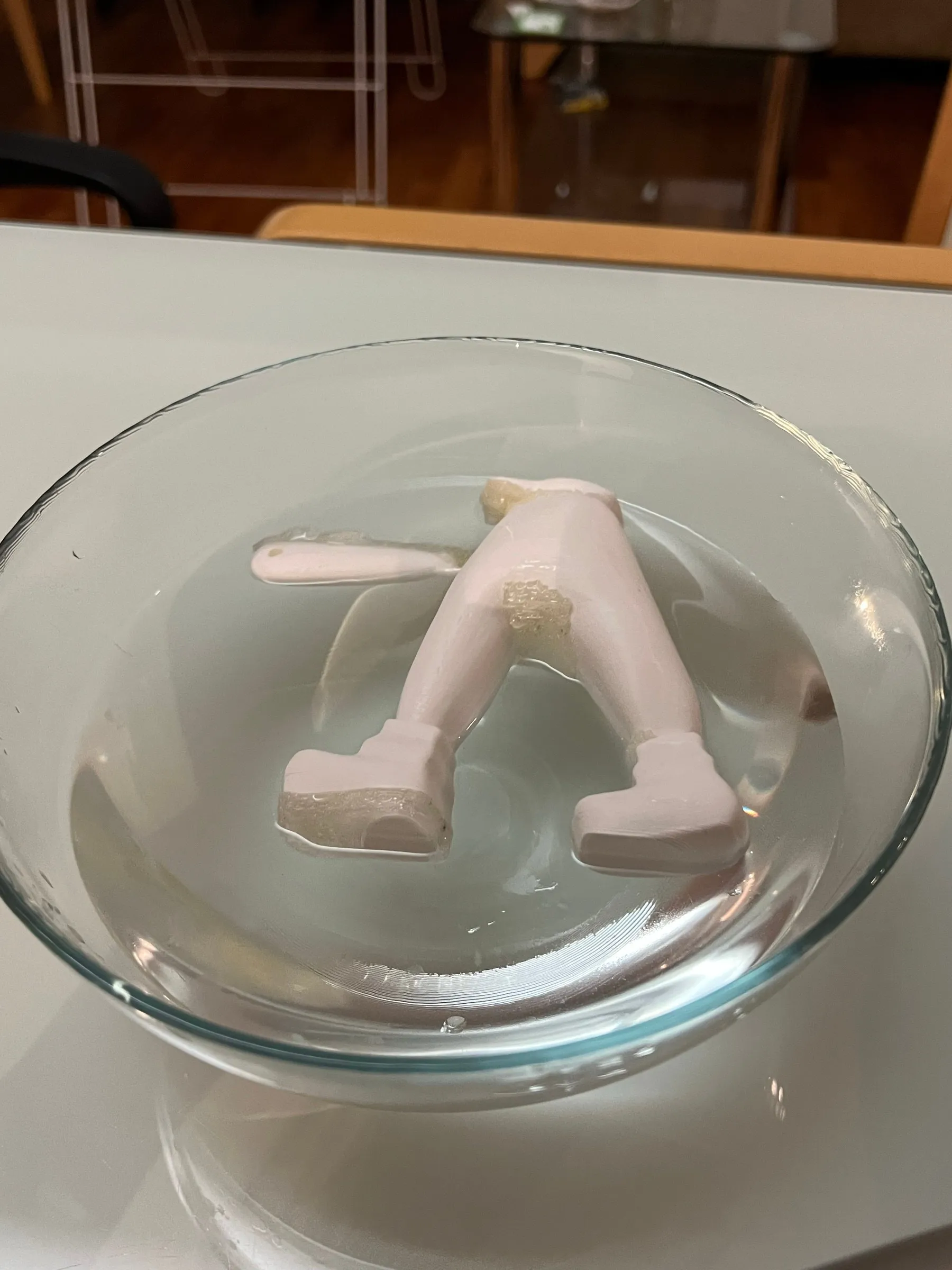
Finally the letters came back into the physical world as 3D prints, a tactile letter box for children to hold and learn from. Each model was sliced, printed with supports, then soaked in water to clear the supports away.
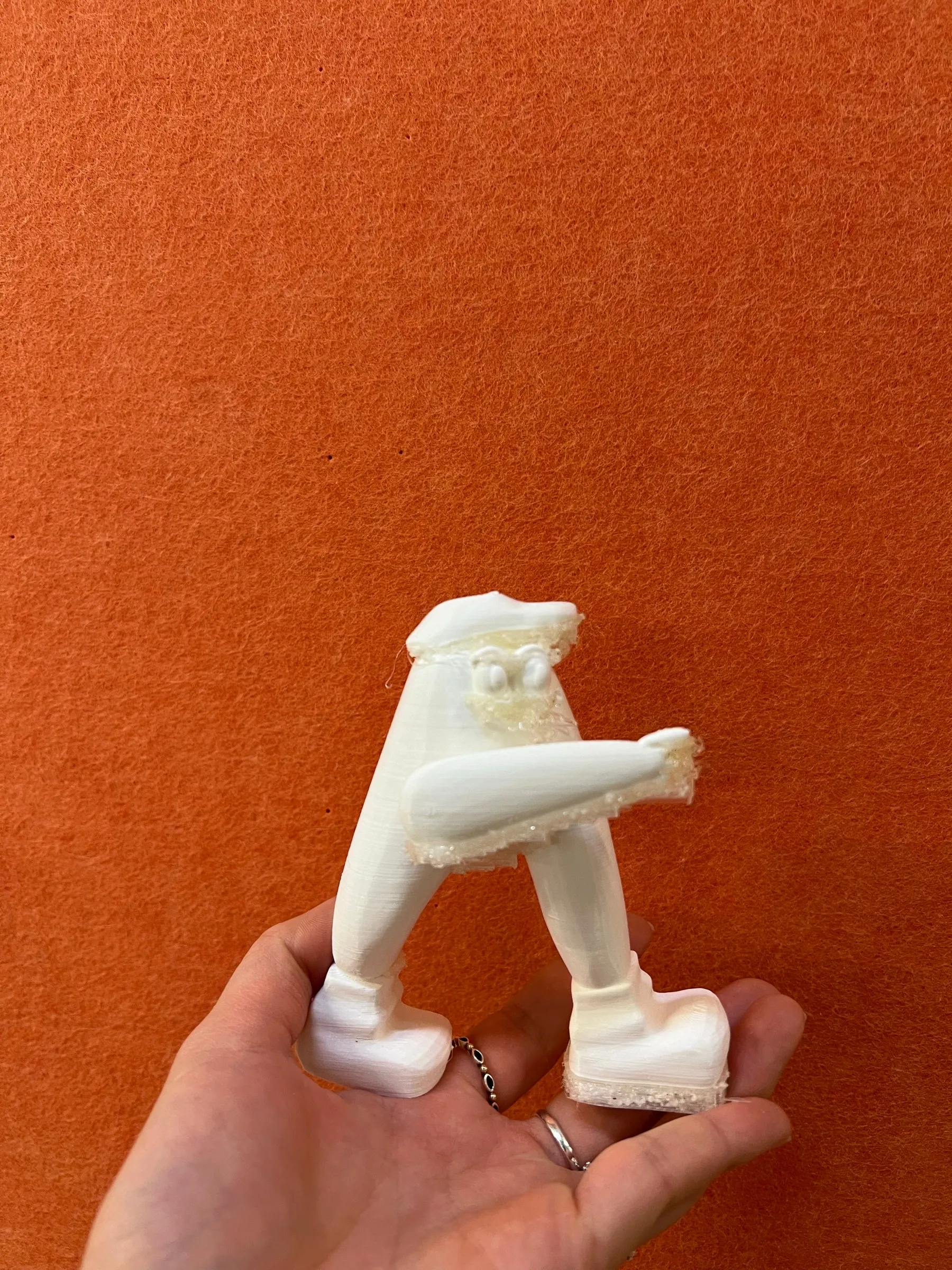
The finished set, in each character’s own colours: letters children can pick up and play with like building blocks, and that can live in the room with them.